

Technical · 4 min read
What does IP68 mean? IP ratings explained
In short
In an IP code the first digit is protection against dust and solid objects, the second against water. IP68 means fully dust-tight and able to withstand continuous immersion.
How to read an IP code
The IP (Ingress Protection) code is defined in IEC 60529 and has two digits. The first is the degree of protection against solid objects and dust, the second against water. The higher the digit, the greater the protection.
| First digit | Protection against solids |
|---|---|
| 4 | Objects larger than 1 mm |
| 5 | Dust-protected |
| 6 | Dust-tight |
| Second digit | Protection against water |
|---|---|
| 0 | No protection |
| 4 | Splashing water from any direction |
| 5 | Water jets |
| 6 | Powerful water jets |
| 7 | Temporary immersion |
| 8 | Continuous immersion |
| 9 | High-pressure, high-temperature water jets |
What it means across the range
- IP40 — uncoated steel conduits: mechanical protection, dry locations.
- IP54–IP66 — coated steel conduits: splashing water and jets.
- IP66–IP69 — liquid-tight conduits.
- IP68 — metal and polyamide cable glands, polyamide conduits.
A run is only as protected as its weakest link: an IP68 conduit joined with an IP54 fitting makes an IP54 run.
Related products
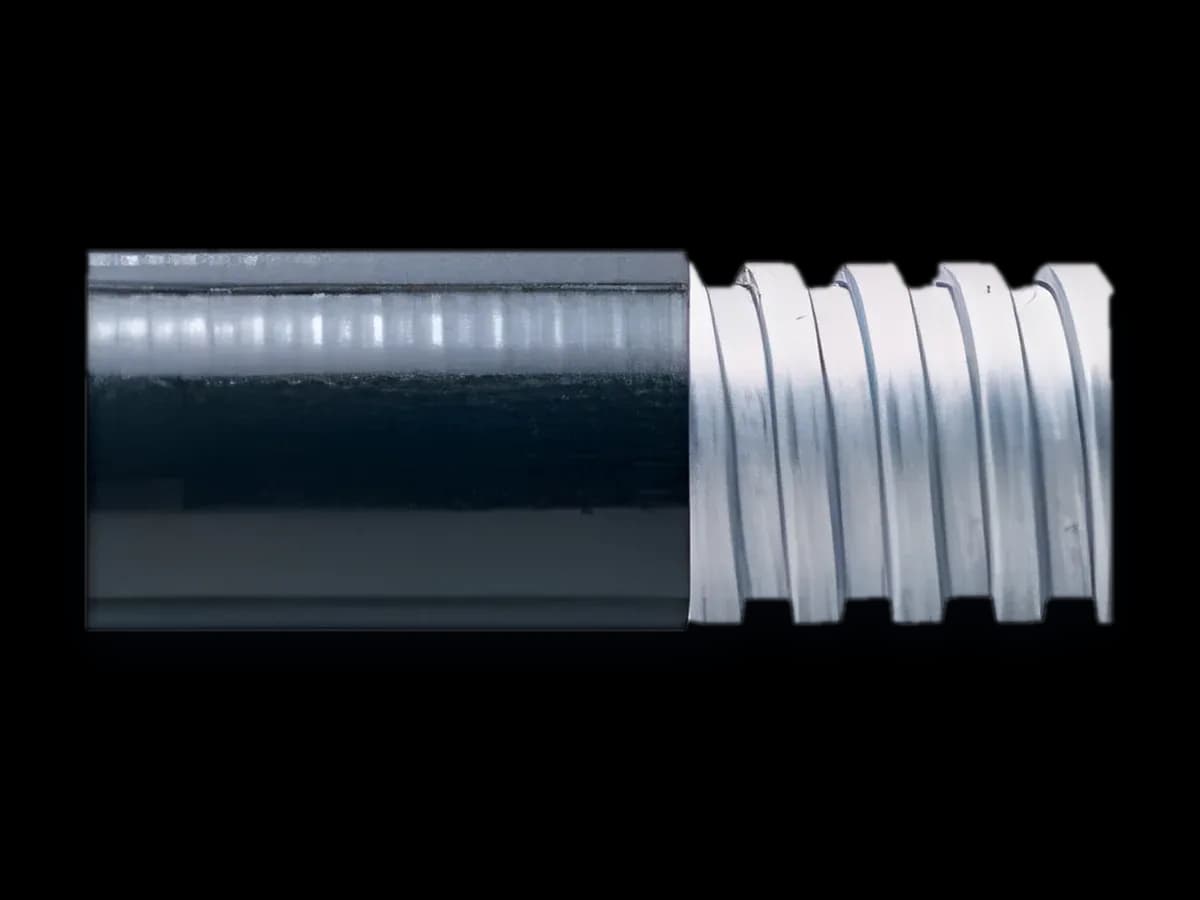
- IP66–IP68
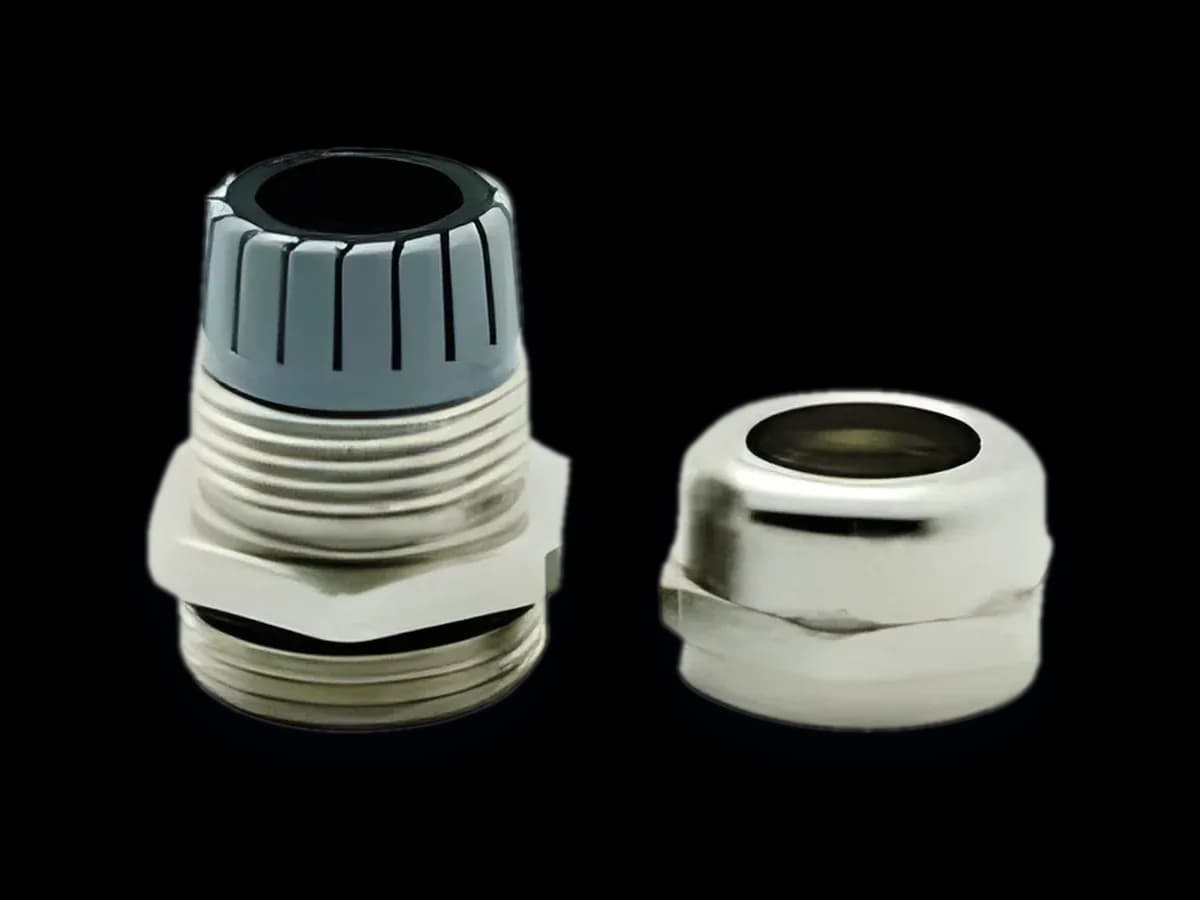
- IP68
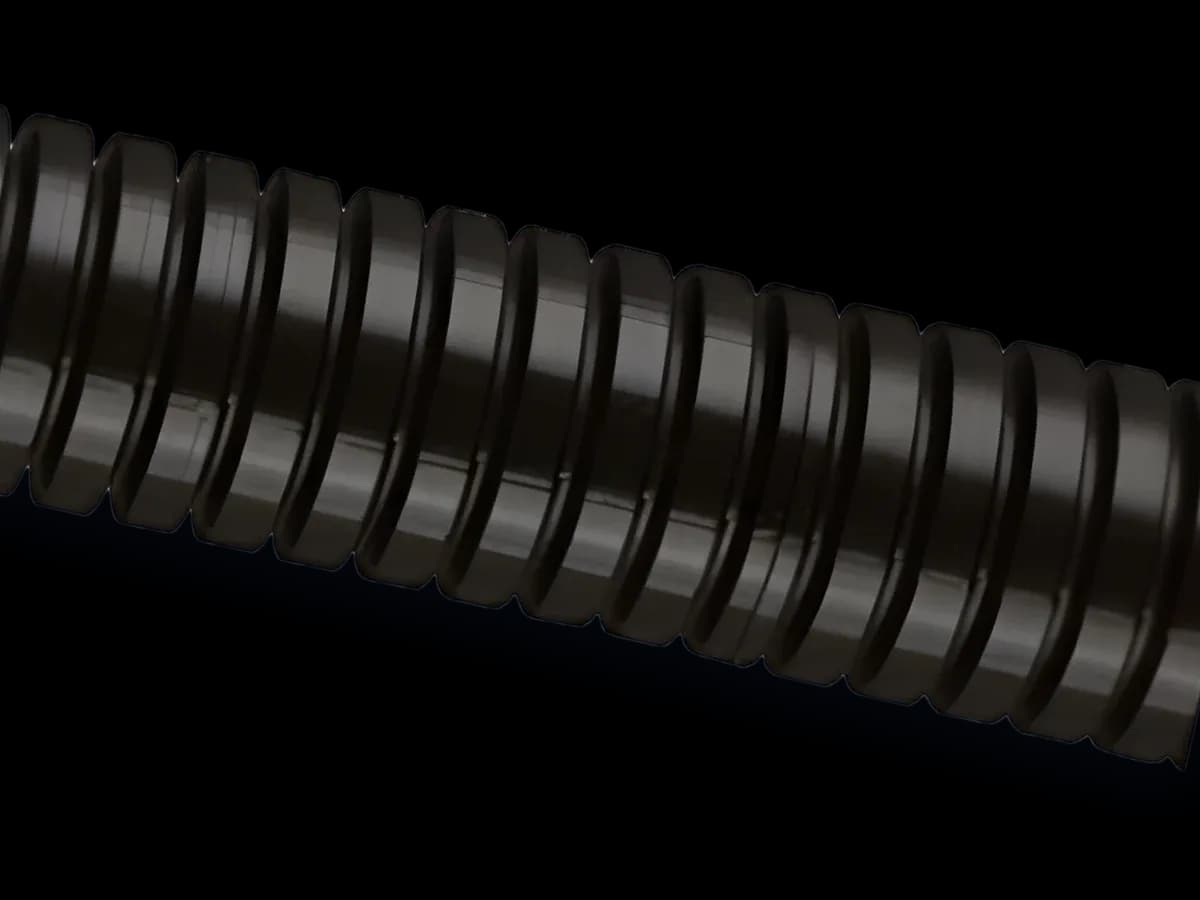
- IP66–IP68
- LSZH
More articles
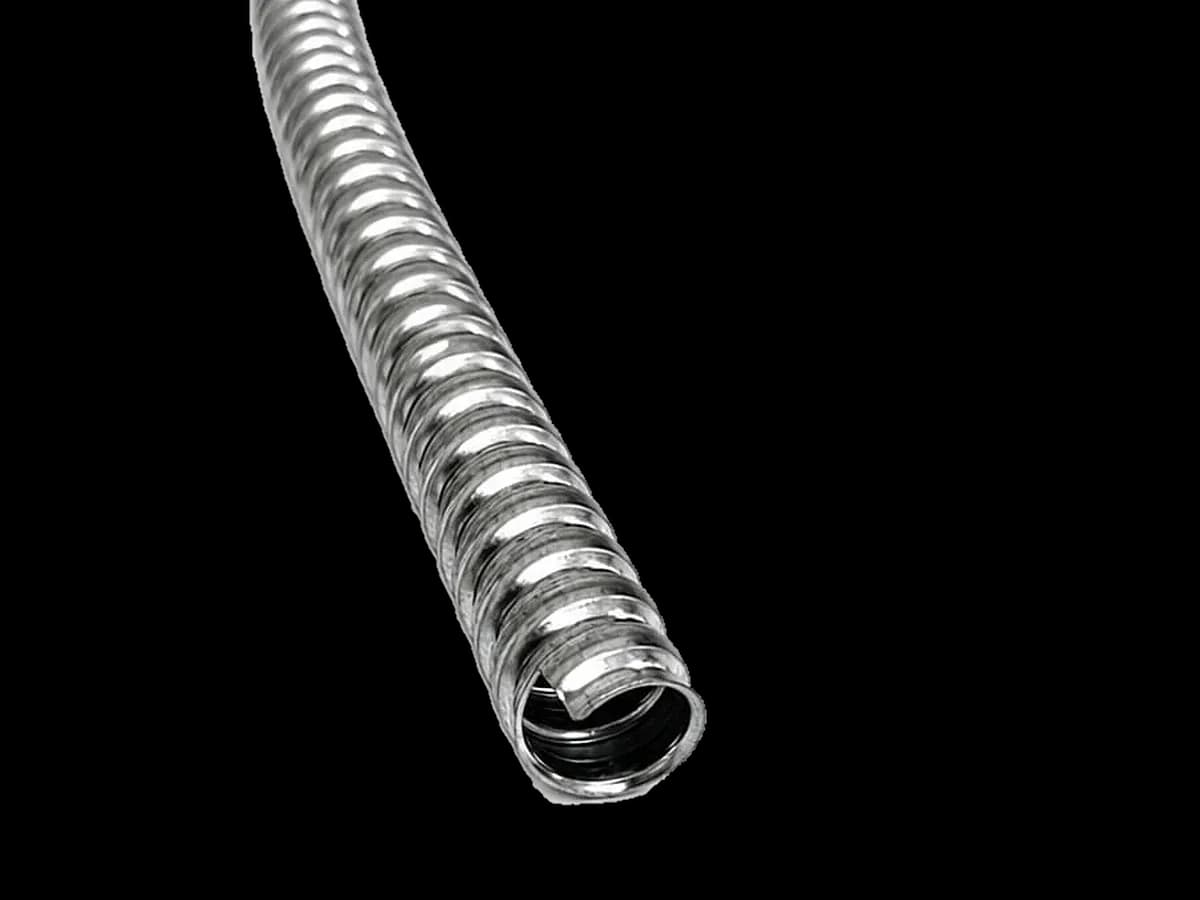
Guide5 min read
How to choose a flexible steel conduit
Four questions decide the right flexible steel conduit: ambient temperature, exposure to water and dust, electromagnetic interference, and cable size. Temperature picks the material, sealing picks the coating, interference picks the braid, and the cable bundle picks the diameter.
Technical3 min read
PG vs metric gland threads: the difference and which to choose
PG and metric are two separate thread standards for cable glands, and they do not fit each other. New designs use metric threads; for existing enclosures with PG entries, choose a PG gland or an adapter.